


Hémorragie corticosurrénale consécutive à l’administration intraveineuse de tétracosactide chez un chien atteint d’hypercorticisme
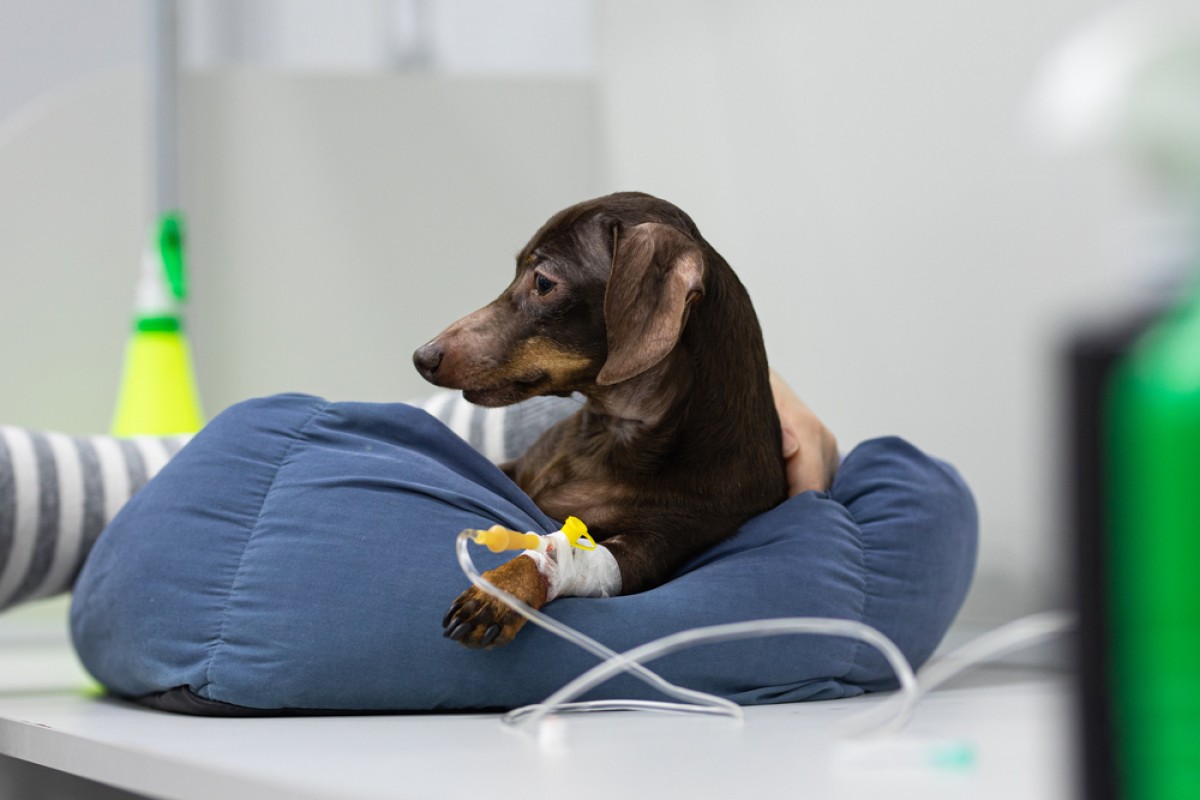
Après un test de stimulation à l’ACTH, une hypertrophie bilatérale progressive des glandes surrénales a été constatée.
L’objectif de cette étude a été de résumer les résultats d’un cas d’hémorragie corticosurrénale consécutive à l’injection de tétracosactide lors d’un test de stimulation à l’ACTH pour la surveillance d’un traitement au trilostane chez un chien.
Un chien mâle castré de 12 ans, présentant un hypercorticisme surrénalien, a présenté des vomissements, une léthargie et des douleurs abdominales quatre heures après un test de stimulation à l’ACTH. Une échographie abdominale a été réalisée avant et après un test de stimulation à l’ACTH. Après le test de stimulation à l’ACTH, il a été observé une hypertrophie bilatérale progressive des glandes surrénales et l’apparition d’un liquide libre intra-abdominal. Ces phénomènes ont été considérés comme provoqués par une inflammation et une hémorragie corticosurrénales secondaires à l’adminstration du tétracosactide, un analogue synthétique de l’ACTH, utilisé lors du test de stimulation. Un dosage du cortisol au repos effectué cinq heures après l’injection du tétracosactide ne correspondait pas à un hypoadrénocorticisme iatrogène. La prise en charge du patient basée sur une analgésie, des liquides IV et des corticostéroïdes, a permis une récupération complète.
Il s’agit, selon les auteurs, du premier cas rapporté d’hémorragie corticosurrénale consécutive à l’administration d’un analogue synthétique de l’ACTH chez un chien. Ce cas doit être considéré comme une complication potentielle rare des tests de stimulation à l’ACTH.
L’objectif de cette étude a été de résumer les résultats d’un cas d’hémorragie corticosurrénale consécutive à l’injection de tétracosactide lors d’un test de stimulation à l’ACTH pour la surveillance d’un traitement au trilostane chez un chien.
Un chien mâle castré de 12 ans, présentant un hypercorticisme surrénalien, a présenté des vomissements, une léthargie et des douleurs abdominales quatre heures après un test de stimulation à l’ACTH. Une échographie abdominale a été réalisée avant et après un test de stimulation à l’ACTH. Après le test de stimulation à l’ACTH, il a été observé une hypertrophie bilatérale progressive des glandes surrénales et l’apparition d’un liquide libre intra-abdominal. Ces phénomènes ont été considérés comme provoqués par une inflammation et une hémorragie corticosurrénales secondaires à l’adminstration du tétracosactide, un analogue synthétique de l’ACTH, utilisé lors du test de stimulation. Un dosage du cortisol au repos effectué cinq heures après l’injection du tétracosactide ne correspondait pas à un hypoadrénocorticisme iatrogène. La prise en charge du patient basée sur une analgésie, des liquides IV et des corticostéroïdes, a permis une récupération complète.
Il s’agit, selon les auteurs, du premier cas rapporté d’hémorragie corticosurrénale consécutive à l’administration d’un analogue synthétique de l’ACTH chez un chien. Ce cas doit être considéré comme une complication potentielle rare des tests de stimulation à l’ACTH.
 Commentaires
Articles connexes


Plus d’actualités




Copyright © 2026 - All Rights Reserved
Liste
Ajouter
Merci pour votre commentaire